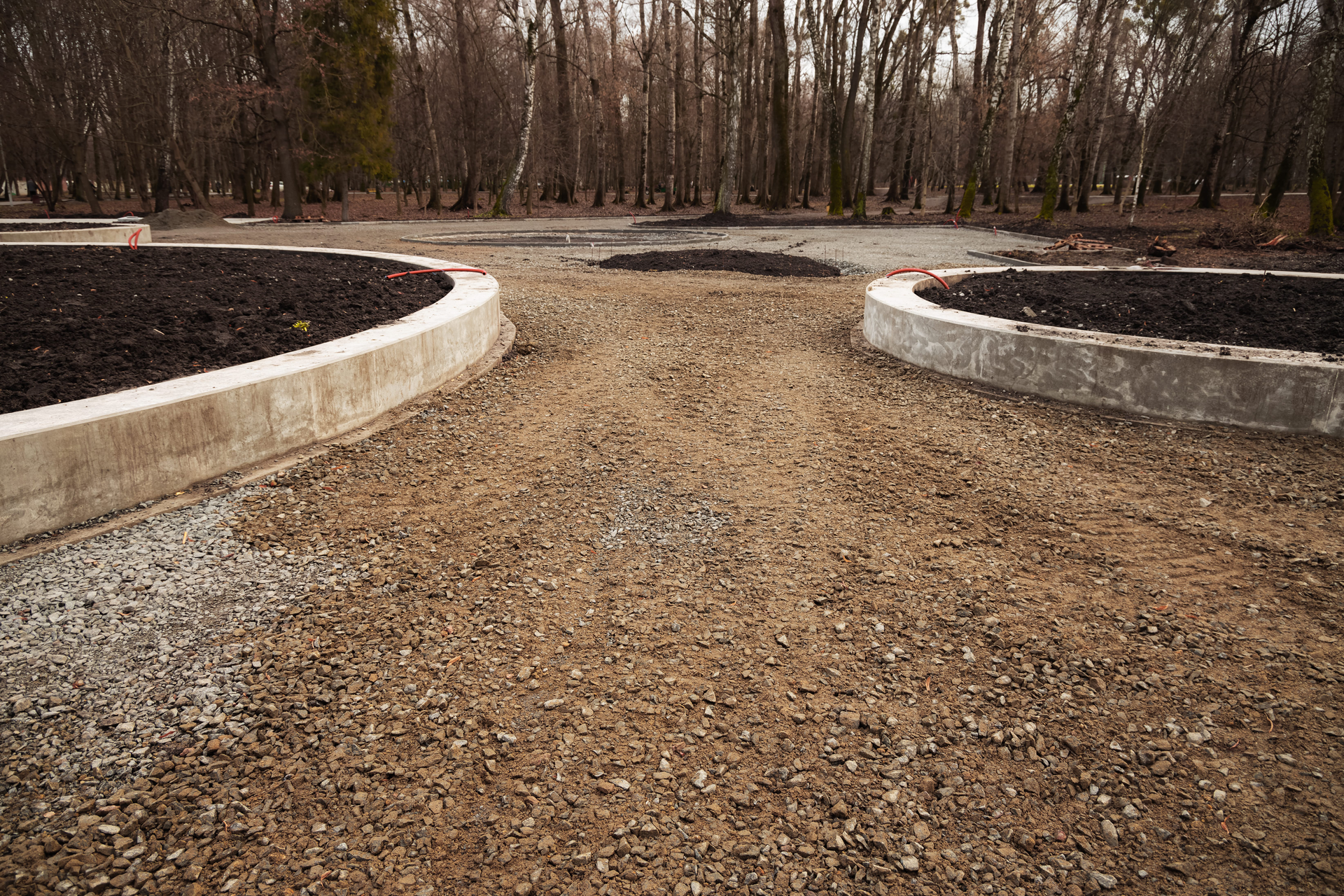
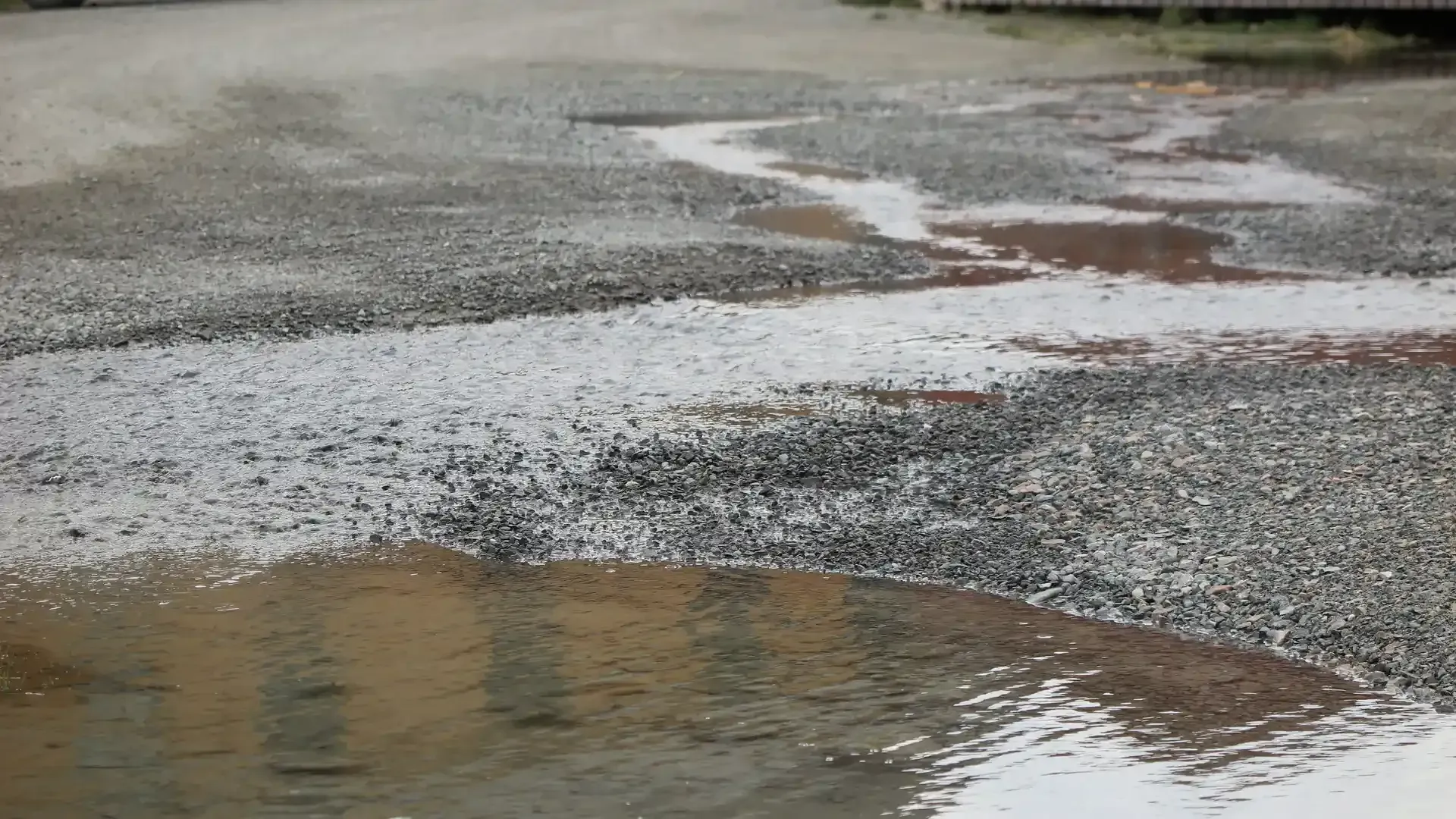
One of the most common dirt work questions is simple: what should happen first? Should the land be cleared before grading? Should drainage be fixed before the building pad is shaped? Should driveway access come before excavation? The answer depends on the property, but the order matters. Doing the right work in the wrong order can create delays, repeated equipment trips, washed-out material, soft pads, poor access, and avoidable rework. This guide explains how to think through the dirt work sequence before starting a property improvement, building site, driveway, drainage correction, or full site prep project around Greenville, TX and surrounding areas. Dirt Work Is Connected Clearing, grading, drainage, pad prep, access, hauling, and cleanup are not always separate decisions. Each step can affect the next one. For example, clearing may reveal low spots or drainage paths that were hidden under brush. Grading may change where water flows. Drainage may need to be installed before gravel, concrete, asphalt, or pad prep is finished. Access may need to be built before equipment, concrete trucks, or material deliveries can reach the work area. A good sequence helps the project move forward with fewer surprises. A poor sequence can mean paying to fix work that was already done. Start With What the Property Needs to Become Before deciding what comes first, define the end goal. The right sequence depends on whether you are preparing for a building, fixing drainage, improving access, cleaning up land, installing a driveway, or preparing a surface. Ask these questions first: Are you building a shop, house, garage, barn, or metal building? Is the main problem standing water, runoff, erosion, or driveway washouts? Does the property need access before work can begin? Is the land too overgrown to inspect properly? Will concrete, asphalt, gravel, or a pad be installed later? Does material need to be hauled in or removed? What should the property be ready for when the dirt work is finished? Once the goal is clear, the sequence becomes easier to plan. Access Often Needs to Come Early If trucks, equipment, builders, concrete crews, or material deliveries cannot reach the site, access may need to be handled before the rest of the work. Access work may include: Driveway routes Construction entrances Private roads or farm roads Culverts at entrances or crossings Base material and rock spreading Grading for truck and equipment access Widening or improving existing access For a future building site, access may need to happen before pad prep. For overgrown land, a temporary or permanent route may be needed before clearing and cleanup can move efficiently. For drainage projects, access may be needed before culvert or ditch work can begin. Clearing Often Comes Before Final Grading If brush, trees, debris, or old material are blocking the site, clearing is usually one of the first steps. You cannot accurately shape, grade, drain, or prepare land you cannot access or inspect. Clearing can expose: Low areas that hold water Rough grade and slope changes Hidden debris or old material Tree roots, stumps, or soft areas Natural drainage paths Better driveway or pad locations Areas that need hauling or cleanup After clearing, the site can be reviewed more clearly for grading, drainage, access, excavation, or pad prep. Drainage Should Be Planned Before Permanent Work Drainage is one of the most important steps to consider early. Water affects driveways, pads, slabs, asphalt, concrete, parking areas, and building sites. Drainage may need to come before: Final driveway rock Concrete or asphalt work Building pad completion Parking area prep Finish grading Surface cleanup Erosion repair If drainage is ignored until after a surface or pad is finished, water may damage the new work. That is why culverts, ditches, swales, drainage pipe, grading, and runoff correction should be considered before permanent improvements are installed. Grading Depends on the Site Conditions and Water Plan Grading shapes the land for use, access, drainage, pads, surfaces, and stability. It often happens after clearing and drainage planning, but the exact timing depends on the project. Grading may include: Rough grading to shape the site Drainage grading to direct water Driveway grading for access and surface prep Pad grading for a future structure Parking area grading Slope correction and leveling Finish grading before final surface or cleanup Good grading should support both the final use and the water flow. A flat-looking area is not always properly graded if it holds water or sends runoff toward the wrong place. Pad Prep Comes After the Site Is Ready to Support It Building pads, concrete prep, asphalt prep, slabs, driveways, and parking areas need the right base underneath. That usually means access, drainage, excavation, grading, and material needs should be reviewed first. Pad and surface prep may include: Cut/fill or site balancing Subgrade preparation Soft soil correction Base rock or fill material Compaction Drainage around the pad or surface Final grading before concrete, asphalt, gravel, or building work The goal is to avoid placing a permanent surface or structure over unresolved water, soft ground, poor access, or weak base. Hauling and Cleanup Should Be Planned From the Beginning Hauling is often treated as an afterthought, but it can affect the whole project. Clearing creates brush and debris. Excavation creates spoils. Driveways and pads may need rock, fill, or base material delivered. Demolition creates material that needs to be removed. Plan for: Brush and tree debris Excavation spoils Concrete or asphalt tear-out Fill dirt, rock, gravel, or base material Material spreading and placement Final cleanup before the next phase A project can be technically complete but still not ready if material piles, debris, or spoils are left blocking the next step. Example Sequences for Common Projects Every property is different, but these examples show how sequencing often works. Building a Shop or Metal Building Access planning → clearing → drainage review → excavation and grading → pad prep and compaction → concrete prep → hauling and cleanup. Fixing a Washed-Out Driveway Water flow review → culvert or ditch work → driveway grading → base repair → rock spreading → shoulder or outlet stabilization. Cleaning Up Overgrown Land Access review → clearing → debris hauling → grading or drainage review → access improvements → final cleanup. Preparing a Parking Area Site review → clearing or demolition removal → drainage planning → grading → base prep and compaction → surface prep → cleanup. Full Property Site Prep Goal review → access → clearing/removal → drainage → excavation/grading → pads/surfaces → hauling and cleanup.

Drainage problems often start small. A wet spot stays muddy longer than the rest of the property. Gravel moves after a storm. A driveway starts to rut. Water flows across an area that used to stay dry. Over time, those signs can turn into bigger issues for driveways, pads, building sites, parking areas, slopes, and access roads. Around Greenville and similar East Texas properties, heavy rain can quickly reveal where water is not moving correctly. This guide explains common warning signs that your property may need drainage work before the damage gets worse. Drainage Problems Usually Do Not Stay in One Place Water follows slope, low spots, compacted ground, ditches, driveways, and the easiest path across a property. When that path is wrong, water can soften the ground, move gravel, cut ruts, erode soil, damage surfaces, or collect near places it should not be. The visible problem may be a puddle or washed-out driveway, but the cause may be somewhere else. A missing culvert, poor grade, blocked ditch, low shoulder, concentrated runoff, or weak outlet can create damage further down the property. The earlier drainage problems are noticed, the easier it is to plan the right dirt work before new gravel, concrete, asphalt, pads, or building work are affected. Common Signs of a Drainage Problem A property may need drainage work if water keeps showing up in the same places or causing the same damage after rain. Standing Water That Does Not Drain Away If water sits in the same low area long after rain, the grade may not be moving water away properly. The area may need grading, a swale, drainage pipe, ditching, or another water-flow solution. A Driveway That Keeps Washing Out If gravel moves after every storm, the problem may not be the gravel. It may be runoff crossing the driveway, weak base, poor slope, missing culverts, blocked ditches, or water moving too fast across the surface. Soft, Muddy, or Rutted Ground Ground that stays soft can limit access, mowing, parking, building plans, and equipment movement. Soft areas often point to poor drainage, low spots, or water trapped in the soil. Water Flowing Toward Buildings or Pads Water should not be directed toward a house, shop, barn, slab, garage, building pad, or parking area. If runoff moves toward those areas, grading or drainage correction may be needed. Erosion Channels or Soil Washing Away If water is cutting small channels through a slope, ditch, driveway edge, or exposed area, the flow may be too concentrated. Erosion control and drainage work may need to happen together. Culverts That Cannot Keep Up A crushed, clogged, undersized, or poorly placed culvert can send water over a driveway or back water up into low areas. Culverts often need to be reviewed with the surrounding ditches and road grade. Water Collecting Near Concrete, Asphalt, or Gravel Areas Water near permanent or semi-permanent surfaces can weaken the base, erode edges, and create long-term maintenance problems. Drainage should be addressed before surfaces are repaired or installed. What Causes Drainage Problems on a Property? Drainage problems are usually caused by how water moves across the land. The issue may be natural, caused by past dirt work, or created by adding surfaces, driveways, pads, or structures without adjusting the water flow. Common causes include: Low spots that collect water Poor slope or grade around driveways, pads, or structures Missing, clogged, crushed, or undersized culverts Ditches or swales that are too shallow, blocked, or poorly shaped Runoff from higher ground moving across access roads or surfaces Weak driveway or parking area base holding moisture Erosion at culvert outlets, ditch banks, or slopes New construction or surface work changing where water travels A good drainage plan starts by finding the cause, not just patching the damaged area. What Causes Drainage Problems on a Property? Drainage problems are usually caused by how water moves across the land. The issue may be natural, caused by past dirt work, or created by adding surfaces, driveways, pads, or structures without adjusting the water flow. Common causes include: Repeated driveway washouts Soft access roads and muddy entrances Erosion along slopes, ditches, and culvert outlets Water collecting around future building pads or slabs Weak base under gravel, concrete, asphalt, or parking areas Ruts and low spots that keep returning Ruts and low spots that keep returning Delays before construction or surface work can begin More hauling, grading, or repair work later If water keeps causing the same damage, adding more gravel or fill may only cover the issue temporarily. When to Call a Dirt Work Company for Drainage A drainage issue is worth reviewing when water is affecting access, surfaces, pads, structures, slopes, or the ability to use the property. It is especially important to address drainage before adding concrete, asphalt, a building pad, a new driveway, or a parking area. Professional drainage-related dirt work may include: Grading land so water moves away from problem areas Installing or replacing culverts Shaping ditches or swales Excavating for drainage pipe or water flow correction Repairing driveway washouts Stabilizing eroded outlets or slopes Adding rock, riprap, fill, or base material where needed Coordinating drainage with pad prep, access roads, or surface prep The goal is to move water where it belongs before it keeps damaging the property.

Building a shop or metal building starts long before the slab is poured or the structure goes up. The site needs to be cleared, accessed, drained, graded, and prepared so the next phase has a better foundation. For property owners around Greenville, TX and surrounding areas, site prep often includes more than simply picking a building location. Rural access, water flow, soft ground, overgrowth, driveway routes, pad elevation, and material movement can all affect how smoothly the project moves forward. This checklist walks through the major dirt work items to think about before construction begins. Start With the Final Use of the Building Before dirt work begins, it helps to understand what the building site needs to support. A small personal shop, equipment building, barn, garage, commercial workspace, and metal building can all require different access, pad, drainage, and surface planning. Think through questions like: What type of building is being installed? How large will the pad or slab area be? Will vehicles, trailers, equipment, or trucks need to access the site? Will the building need a driveway, parking area, apron, or turnaround space? What areas need to stay open for construction crews and material delivery? The better the final use is understood, the easier it is to plan the dirt work in the right order. 01. Make Sure the Site Can Be Reached Access is one of the first issues to solve. Builders, concrete trucks, delivery trucks, equipment, and material haulers need a reliable way to reach the building area. Check these access items before construction: Is there an existing driveway or entrance? Is the entrance wide enough for trucks and trailers? Does the driveway stay firm after rain? Does water cross the driveway or entrance? Is a culvert needed under the access route? Does the route need grading, rock, widening, or base prep? Will construction traffic damage the existing access? A weak access route can slow down the entire project. In many cases, driveway or construction entrance work should happen before pad prep or concrete work. 02. Clear the Building Area and Work Space The future building pad is not the only area that may need to be cleared. The site may also need room for equipment, material delivery, forms, concrete trucks, drainage work, and vehicle access. Review these clearing needs: Brush, trees, or undergrowth in the building area Fence lines or access paths that need to be opened Trees or limbs that may interfere with equipment or delivery trucks Old debris, scrap, concrete, asphalt, or abandoned material Overgrowth hiding low spots, drainage paths, or rough grade Extra work area around the pad for construction access Land clearing often reveals the next set of site conditions: slope, water flow, soft spots, old material, and rough grades that were not visible before. 3. Plan Water Flow Before the Pad Is Finished Drainage should be reviewed before the pad is finalized. Water moving toward a shop, barn, garage, or metal building can create soft ground, erosion, access problems, and future maintenance issues. Check for drainage concerns such as: Standing water near the future building area Runoff flowing toward the planned pad Low spots that stay wet after rain Driveway washouts near the building route Missing, clogged, or undersized culverts Ditches or swales that need shaping Water that may collect around future concrete, asphalt, or gravel areas Drainage work may include grading, culverts, ditches, swales, drainage pipe, excavation, or erosion control. The right answer depends on how water currently moves across the property. 4. Prepare the Pad, Grade, and Base A building pad needs more than a flat-looking surface. It should be shaped and prepared for the structure, slab, surrounding drainage, and future access. Review these pad prep items: Does the pad area need cut/fill or site balancing? Is the subgrade stable enough for the planned structure? Does the pad need base rock or soft soil correction? Has the site been compacted properly for the next phase? Does water move away from the future building area? Is there room for concrete forms, trucks, and construction work? Does the finished pad elevation make sense for the surrounding property? A properly prepared pad helps the builder or concrete crew start from a cleaner, stronger base. 5. Think About Utilities, Septic, and Future Routes Even if utility work is not happening immediately, the site should be planned with future routes in mind. It is easier to consider underground work before the site is fully finished than after concrete, asphalt, gravel, or final grading is complete. Think through: Will water, sewer, septic, electric, gas, or communication lines be needed? Will trenching routes cross the driveway, pad area, or drainage path? Does the building need future parking or equipment access? Will drainage lines or culverts need to be installed before surface work? Will trucks need room to turn around after the building is complete? Should future expansion or added surfaces be considered now? Planning future use early can help reduce unnecessary rework later. 6. Plan for Material, Spoils, and Cleanup Site prep usually creates material that needs to be moved. It may also require rock, gravel, fill, base material, or topsoil to be brought in. Do not forget to plan for: Brush, trees, and debris from clearing Spoils from excavation or trenching Fill dirt or base material needed for the pad Gravel or rock for access routes Concrete/asphalt prep material Old debris, slabs, or structures that need removal Final cleanup before builders or concrete crews arrive Hauling and cleanup are often what make the site feel truly ready for the next phase. Common Site Prep Items Property Owners Overlook Many building site delays come from simple items that were not planned early enough. Common overlooked items include: Access for concrete trucks and material deliveries Drainage around the pad before slab work Extra workspace around the building area Culverts at driveway entrances Hauling away brush, spoils, or demolition debris Pad elevation compared to surrounding grade Soft ground that needs correction before base or concrete Future parking, turnaround, or equipment access needs A site may look open but still not be ready for construction. The checklist helps make sure the dirt work supports the full build plan. When to Bring in a Dirt Work Company Professional site prep makes sense when the property needs more than minor cleanup. If the project involves clearing, driveway access, drainage, grading, pad prep, compaction, hauling, or multiple services in sequence, it is worth getting the dirt work planned before construction begins. A dirt work company can help identify whether the site needs: Land clearing before layout Driveway or construction entrance work Culverts or drainage correction Rough grading or finish grading Excavation, cut/fill, or backfill Building pad prep and compaction Base material, gravel, rock, or fill Spoils, brush, or debris hauling The main goal is to prepare the property so the next contractor is not fighting preventable site problems.
Land Clearing & Property Cleanup
Driveways, Roads & Access
Drainage, Culverts & Erosion
Site Prep, Pads & Construction Readiness
Demolition, Hauling & Material Work

Brush clearing can make a property look dramatically better, but cleared land is not always finished land. Once trees, brush, undergrowth, and debris are removed, the property may still need grading, drainage correction, access work, hauling, erosion control, pad prep, or additional site preparation. For properties around Greenville, TX and surrounding areas, clearing is often the first step toward making land usable. It opens the site, reveals the real ground conditions, and shows what needs to happen next. This guide explains what to look for after brush clearing and how to decide whether the land needs more dirt work before it is truly ready to use. Cleared Land Can Still Have Hidden Problems Before clearing, brush and undergrowth can hide almost everything important about the property. Once the vegetation is gone, you may finally see the slope, drainage paths, debris, soft ground, stumps, ruts, low areas, old material, or access problems. That does not mean the clearing failed. It means the next phase is now easier to identify. Common issues revealed after clearing include: Uneven or rough ground Low areas that hold water Soft spots or muddy access Debris, stumps, roots, or old material Washed-out areas or erosion Poor driveway or equipment access Areas that need grading before building, mowing, fencing, or surface work Clearing opens the property. Follow-up dirt work makes it more functional. Signs Brush Clearing Was Not the Final Step After clearing, walk the property and look at how the land actually performs. The site may need more work if it is still hard to access, unsafe to maintain, or not ready for the intended use. Watch for signs like: Water standing in low areas after rain Equipment ruts or soft ground Piles of brush, logs, stumps, concrete, or debris still in the way Rough grade that makes mowing or driving difficult No clear driveway or access path Slopes or ditches washing out Areas that need fill, gravel, base rock, or grading A future pad or building site that is not level or stable The next step depends on what you want the land ready for. Common Next Steps After Brush Clearing Different properties need different follow-up work after cleanup. A landowner clearing acreage for maintenance may need different work than someone preparing for a shop, driveway, or building pad. Grading and Leveling Cleared land may still need rough grading, finish grading, slope correction, low spot repair, or leveling before it can be mowed, built on, driven on, or surfaced. Drainage Correction If clearing reveals standing water, runoff paths, wet areas, ditches, or erosion, drainage may need to be addressed before adding gravel, concrete, asphalt, or building pads. Driveway and Access Work A property may need a driveway, private road, construction entrance, culvert, base prep, rock spreading, or access route after the land is opened up. Hauling and Debris Removal Brush, trees, stumps, spoils, concrete, asphalt, old debris, and unwanted material may need to be hauled away before the site is clean and workable. Pad or Surface Prep If the land is being prepared for a shop, barn, home, garage, metal building, driveway, parking area, or slab, the cleared area may need excavation, grading, base material, compaction, and concrete-ready prep. Erosion Control If clearing exposes slopes, banks, drainage outlets, or areas where water is cutting soil, erosion control may need to be planned before more damage occurs. The Next Step Depends on the Final Goal The best follow-up work depends on what you want the property to become. If the goal is general cleanup, the next step may be hauling, rough grading, and making the land easier to maintain If the goal is building, the next step may be access, drainage, excavation, grading, pad prep, and concrete prep. If the goal is better access, the next step may be driveway grading, culverts, base material, rock spreading, and drainage correction. If the goal is fixing water problems, the next step may be grading, ditches, swales, culverts, drainage pipe, or erosion control. If the goal is selling or improving the property, the next step may be cleanup, access, grading, and making the site easier to inspect and use. The cleared land should be reviewed based on its intended use, not just how it looks right after the brush is gone. Mistakes to Avoid After Brush Clearing Once land is cleared, it can be tempting to move straight to the next visible improvement. But some steps should not be rushed. Avoid these mistakes: Adding gravel before drainage and base issues are addressed Building a pad before checking water flow and grade Leaving brush or debris where future work needs to happen Ignoring low spots revealed after clearing Driving over soft ground before it is stabilized Assuming cleared land is ready for concrete or building work Skipping access planning for trucks, trailers, equipment, or builders A cleaner property is a good start. A prepared property takes a little more planning.

Before a shop, barn, home, garage, or metal building can be built, the land usually needs to be opened up. Clearing brush and trees is often the first visible step, but it should be planned around access, drainage, pad location, hauling, grading, and the full construction path. A cleared site is not automatically a build-ready site. Clearing may reveal low spots, soft ground, old debris, drainage paths, slope issues, or access problems that need to be handled before the pad or slab work begins. Use this checklist to think through land clearing before construction starts. Know What You Are Clearing For The first question is not only “what needs to be cleared?” It is “what does this land need to be ready for after clearing?” Before clearing begins, identify: The planned building location Approximate building size or pad area Future driveway or access route Space needed for construction equipment and material delivery Areas that should remain untouched Trees, fence lines, or features to protect Whether the site will need grading, drainage, or pad prep afterward A clearing plan should support the full build, not just remove vegetation from the easiest area. 1. Confirm the Clearing Limits Before equipment starts clearing, the work area should be clear. This helps avoid removing too much, missing key areas, or clearing a space that does not support the build. Check these items: Are property lines, setbacks, or work limits understood? Is the planned building location clearly marked? Is there enough room around the building area for construction access? Are there trees, gates, fences, or features that should stay? Does the driveway route need to be cleared too? Are utility, septic, or drainage paths being considered? Good clearing limits help the rest of the site prep stay organized. 2. Plan Access Before Clearing Too Much Builders, concrete trucks, material haulers, and equipment need a reliable way to reach the site. If access is not planned early, the building area may be cleared but still hard to use. Review access needs: Is there an existing driveway or entrance? Can equipment reach the building area safely? Does the access route need brush or trees removed? Is a culvert needed where water crosses the entrance? Does the route need grading or base material? Will construction trucks need extra width or turning room? Could rain make the access soft or unusable? For rural land, access may need to be built or improved before detailed pad prep begins. 3. Decide What Happens to Brush, Trees, and Debris Clearing creates material that must be handled. If debris is not planned, it can block access, delay grading, or leave the site unfinished. Think through: Will brush and trees be hauled off, piled, chipped, mulched, or moved on site? Are there old debris piles, concrete, asphalt, scrap, or trash hidden in the overgrowth? Will stumps or roots affect the future pad, driveway, or trenching? Is there room to stage brush or material during work? Does the site need final cleanup before grading or construction? Debris handling should be part of the clearing plan, not an afterthought. 4. Look for Water Before the Site Is Finished Clearing can reveal where water naturally travels. Low spots, drainage paths, soft ground, ditches, and runoff areas should be reviewed before the pad, driveway, or slab is finalized. Watch for: Standing water near the future building location Runoff flowing toward the planned pad Water crossing the future driveway route Low spots that stay wet after rain Ditches or swales that need shaping Culverts that may be needed at entrances or crossings Erosion around slopes, outlets, or cleared areas Drainage is easier to plan before concrete, asphalt, gravel, or building work begins. 5. Plan What Happens After the Site Is Opened Once the land is cleared, the pad area may still need excavation, grading, base material, compaction, drainage, or cleanup before it is ready for construction. Review these pad and grading needs: Does the building area need leveling or slope correction? Will the pad need cut/fill or site balancing? Is the soil soft or unstable after clearing? Will base material or fill need to be delivered? Does the site need compacted subgrade before concrete? Will water move away from the pad after grading? Is there enough room for forms, trucks, and construction crews? Clearing opens the site. Grading and pad prep make it ready for the next phase. 6. Think About Utilities and Future Routes Even if utility work is not part of the immediate clearing job, it helps to think about future trenching and access before the site is fully finished. Consider: Where will electrical, water, sewer, septic, gas, or communication lines go? Will trenching cross the driveway or pad area? Will drainage lines or culverts need to be installed first? Is there room for future parking, equipment access, or expansion? Will another contractor need access after clearing? Should material delivery routes be planned now? Thinking ahead can help avoid cutting through finished areas later. Common Land Clearing Items People Overlook Before Building Clearing for construction is different from clearing for general cleanup. The land needs to support the next phase. Common overlooked items include: Access for concrete trucks and builders Brush and debris hauling Water flow around the future pad Culverts at driveway entrances Soft ground under the planned building area Extra room around the building site Final grade after clearing Construction staging and material delivery areas Cleanup before pad prep or concrete work A site can be cleared but still not ready for construction. The next steps matter.

Overgrown land can make a property feel unusable. Brush, trees, undergrowth, vines, old debris, and blocked access can hide the real condition of the ground and make it hard to mow, build, sell, fence, access, or maintain. Before clearing starts, it helps to think beyond the brush. Land clearing can reveal drainage issues, rough grade, low spots, old material, soft ground, erosion, or the need for driveway access and hauling. This guide walks through what property owners around Greenville, TX should consider before clearing overgrown land. Clearing Is Usually the First Step, Not the Whole Project Clearing opens the property, but it does not automatically make the land finished or ready for every use. Once brush and trees are removed, the site may still need grading, drainage, access work, debris hauling, demolition removal, pad prep, or erosion control. Before starting, define what you want the land ready for: General cleanup and easier maintenance Building a shop, home, garage, barn, or metal building Installing a driveway, private road, or access route Preparing land for sale or future use Opening fence lines or easements Improving drainage or water flow Removing debris, old structures, or unwanted material The final goal should guide how much clearing is needed and what dirt work should happen afterward. Check the Property Conditions Before Work Starts Overgrowth can hide conditions that affect the clearing plan. The more that is known before equipment arrives, the better the project can be scoped. Important conditions include: Access to the Work Area Can equipment reach the area safely? Is there a gate, driveway, open path, or construction entrance? If the property is blocked, access may need to be opened first. Type and Density of Growth Light brush, thick undergrowth, small trees, larger trees, vines, fence line growth, and wooded acreage all require different approaches. Hidden Debris or Old Material Old wire, concrete, trash, scrap, abandoned material, stumps, rocks, or debris piles can affect how clearing is handled and whether hauling is needed. Slope and Low Areas Steep slopes, wet spots, drainage paths, and uneven ground may become more visible after clearing. These areas may need grading or erosion control later. Water Flow If water already collects in low areas or crosses access paths, drainage may need to be planned before the property is improved further. Questions to Ask Before Clearing Land Before clearing begins, property owners should think through what needs to stay, what needs to go, and what should happen after the land is opened up. Useful questions include: What areas need to be cleared first? Are there trees, fence lines, or features that should stay protected? Where are the property lines or work limits? Does brush or debris need to be hauled off? Will equipment need a better entrance or access road? Is the cleared land going to be graded afterward? Does the area hold water after rain? Is this clearing for a future building, driveway, fence, pond, or maintenance access? Will demolition, hauling, or material work be needed too? Clear answers make it easier to plan the work and avoid clearing the wrong area or missing an important next step. What Usually Comes After Land Clearing? Once the land is opened up, the next step depends on what the property needs to become. If You Are Preparing to Build Clearing may be followed by access work, excavation, grading, drainage, pad prep, base material, concrete prep, and hauling. If You Are Improving Access Clearing may be followed by driveway grading, culverts, rock spreading, road base, roadside ditching, and drainage correction. If You Are Cleaning Up Acreage Clearing may be followed by debris hauling, rough grading, drainage review, erosion control, and final cleanup. If You Are Fixing Drainage Clearing may reveal low spots, runoff paths, ditches, culvert needs, soft ground, or erosion that should be addressed before surfaces or pads are installed. If You Are Preparing Land for Sale or Maintenance Clearing may be followed by hauling, smoothing, access improvements, and cleanup so the property is easier to inspect and maintain. Mistakes to Avoid When Clearing Overgrown Land Land clearing goes smoother when the full property goal is considered before the work begins. Common mistakes include: Clearing without knowing where access, pads, or future roads should go Forgetting to plan for brush, debris, and hauling Removing too much vegetation without considering drainage or erosion Clearing an area before confirming property boundaries or work limits Ignoring low spots, wet areas, or runoff paths after clearing Assuming cleared land is automatically ready to build on Waiting until after clearing to think about grading, driveway access, or material needs The best clearing projects leave the land more usable and easier to prepare for the next phase. What to Do After the Land Is Cleared After clearing, take time to look at the property again. The land will be easier to evaluate once the brush, undergrowth, and debris are gone. After clearing, review: Does the property need grading or leveling? Are there low spots or drainage problems? Does access need to be improved? Is material or debris still in the way? Is the site ready for a pad, driveway, fence, or future construction? Does water need to be redirected before surface work begins? Does the property need hauling, fill, rock, or cleanup? Clearing creates visibility. The next step should be based on what the newly opened land reveals.